How to test indoor air quality at home: what to measure and how
TL;DR: The most reliable way to test indoor air quality at home is with a continuous air quality monitor, not a one-off test. Test for the five things that most affect health, well-being, and comfort: radon, particulate matter (PM2.5 and PM1), volatile organic compounds (VOCs), CO₂, and humidity. Choose a monitor that measures what you’re worried about, place it at breathing height in the room you use most (and the lowest lived-in floor for radon), give the sensors about a week to settle, then act on what the data shows. Most problems can be fixed by improving ventilation, small changes to daily habits or, in the case of radon, a professional mitigation system. Keep monitoring afterwards to check the fix worked.
We spend up to 90% of our time indoors. Yet, according to the US Environmental Protection Agency (EPA), the air inside our homes can be two to five times more polluted than the air outside. Outdoor pollution adds to the problem: the American Lung Association’s State of the Air report finds that close to half of people in the US live in places with unhealthy levels of air pollution, and smoke, traffic fumes, and pollen all find their way indoors.
Because most dangerous indoor air pollutants, like radon gas, VOCs, and fine particulate matter (PM), are completely invisible and odorless, you can’t simply rely on your senses to know if your home is safe. Chronic headaches, worsening asthma, poor sleep, and lingering brain fog are often the first, easily ignored signs of poor indoor air quality (IAQ).
See our guide to how indoor air quality affects sleep.
Unless you’re monitoring your home’s indoor air quality, it’s impossible to know if there’s an issue that might need fixing. Health authorities including the EPA and the World Health Organization (WHO) recognize that indoor air quality has a significant impact on health, and that taking steps to improve it matters.
Below, you’ll find what to test your home’s air for, a step-by-step guide to testing it accurately, and why continuous monitoring gives you a truer picture than a one-off test.
What should I test my home’s air quality for?
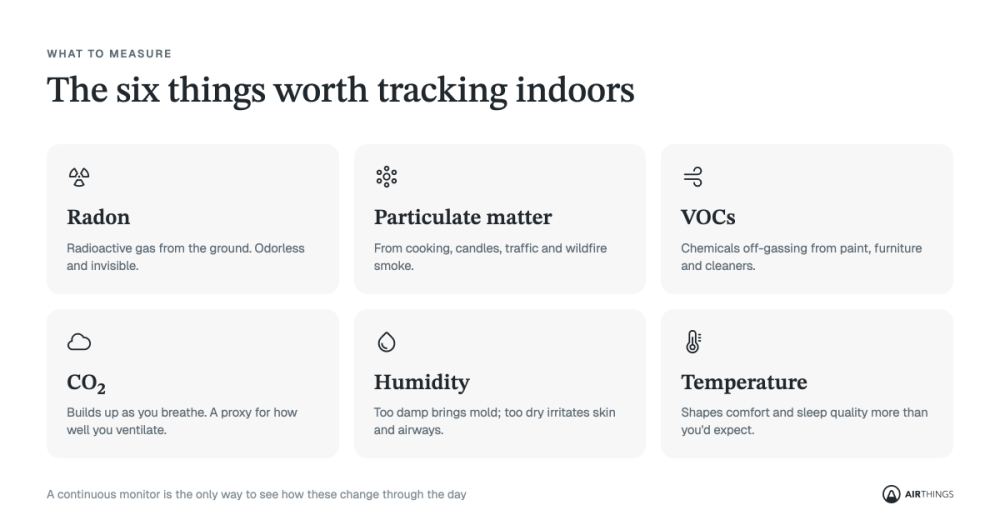
There are many things that can affect your health, but the main things to test your home’s air quality for, as they can directly impact your well-being, are radon gas, VOCs, PM, humidity, and CO₂.
Indoor air quality monitoring goes beyond a basic smoke alarm or carbon monoxide detector. Testing indoor air quality with a properly designed monitor will measure the specific airborne gases and particles that can impact your daily health and long-term safety.
- Radon gas: A naturally occurring, invisible, and tasteless radioactive gas that comes from the soil our homes are built on. It seeps upwards and can enter through cracks in building foundations, or around plumbing entries. Radon gas is the leading cause of lung cancer among non-smokers in the US. Learn more in our guide, What is radon?
- Particulate matter (PM2.5 & PM1): Microscopic particles from wildfire smoke, cooking, industrial activity, and vehicle exhaust that travel deep into your lungs and bloodstream. Exposure to high levels of PM can cause or worsen respiratory and cardiovascular disease. There are two sizes of PM to be aware of:
- Fine particles (PM2.5): These are particles with a diameter of 2.5 microns or less (about 30 times smaller than a human hair). PM2.5 is the primary cause of reduced visibility (haze) and poses a severe health risk because these particles can travel deep into the lower lungs.
- Ultrafine particles (PM1): These particles are 1 micron or smaller. The smallest of them can pass from the lungs into the bloodstream, traveling to major organs like the heart and brain. Learn more in our guide to different types of PM and how they impact us.
- Carbon dioxide (CO₂): Exhaled breath that builds up in poorly ventilated rooms, causing drowsiness, restless sleep, and a drop in cognitive focus. Learn how CO₂ impacts us and how to reduce it in our guide, What is carbon dioxide (CO₂), and what does CO₂ in my home mean for my health?
- Volatile organic compounds (VOCs): Also known as airborne gases, these are fumes that “off-gas” from cleaning products, fresh paint, new furniture, and scented candles. Find out more about VOCs and what causes them in our guide, What are volatile organic compounds (VOCs)?
- Humidity: High moisture levels create the ideal conditions for mold and dust mites, while low humidity allows airborne viruses to spread faster and irritates your skin and airways. See what your humidity level means.
How do I test my home’s indoor air quality? A step-by-step guide
If you are ready for a home with healthier and safer air for your family, follow these steps for the most accurate results:
Step 1: Choose the right monitor
Select an air quality monitor that tracks the specific issues you are worried about.
- Worried about everything (wildfire smoke, radon, general air pollution, sleep quality, mold)? Choose the View Plus. It is our most comprehensive monitor, tracking 7 key indoor air quality factors.
- Want better sleep and focus in a bedroom or home office? Choose Wave Enhance, a compact monitor that tracks CO₂ and other key air quality factors.
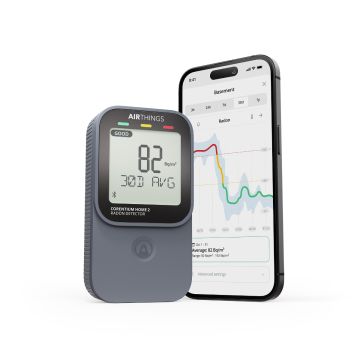
- Worried about radon, or want to know the basement isn’t damp? Choose the Corentium Home 2 for dedicated, highly accurate radon tracking along with temperature and humidity sensors.
Start testing your home’s air
Continuous monitors track your air 24/7 and alert you when something needs attention, so you know exactly when and where to act.
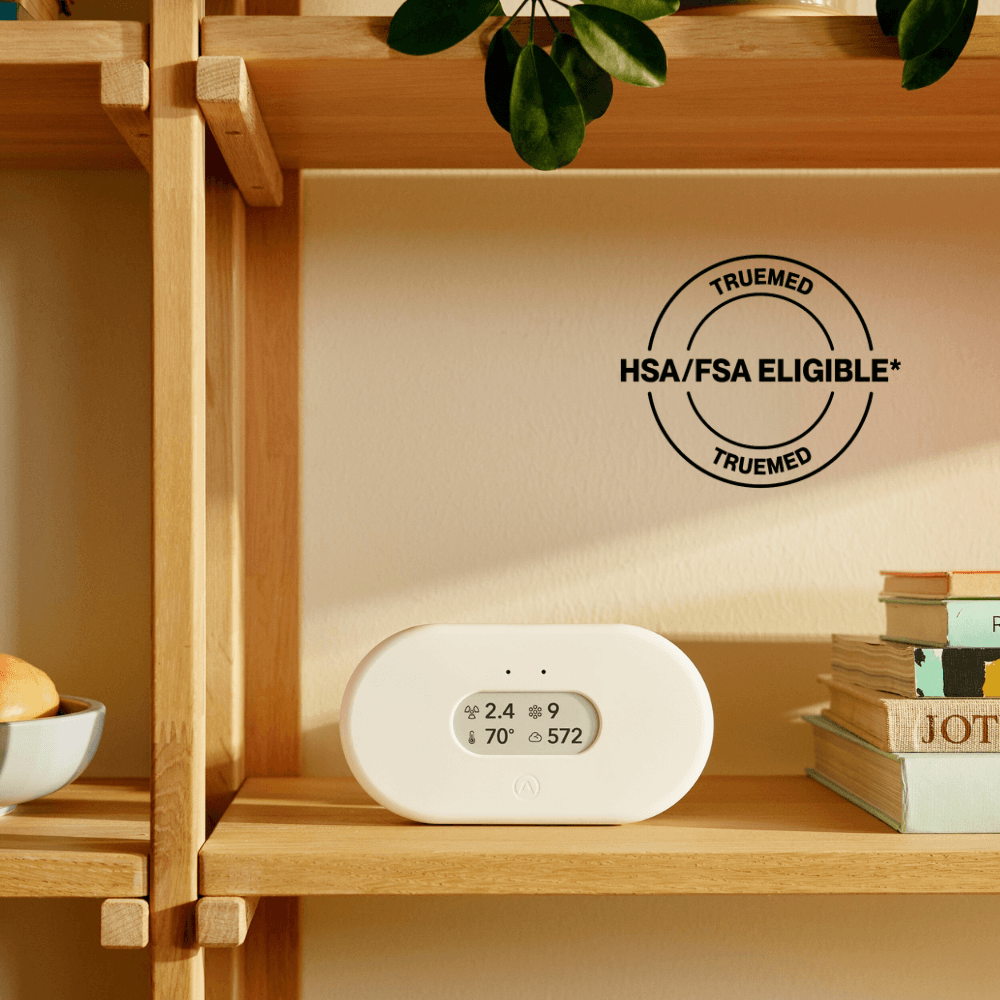
View Plus
Our most complete monitor: radon, PM2.5, PM1, VOCs, CO₂, humidity, and temperature, for living rooms and kitchens.
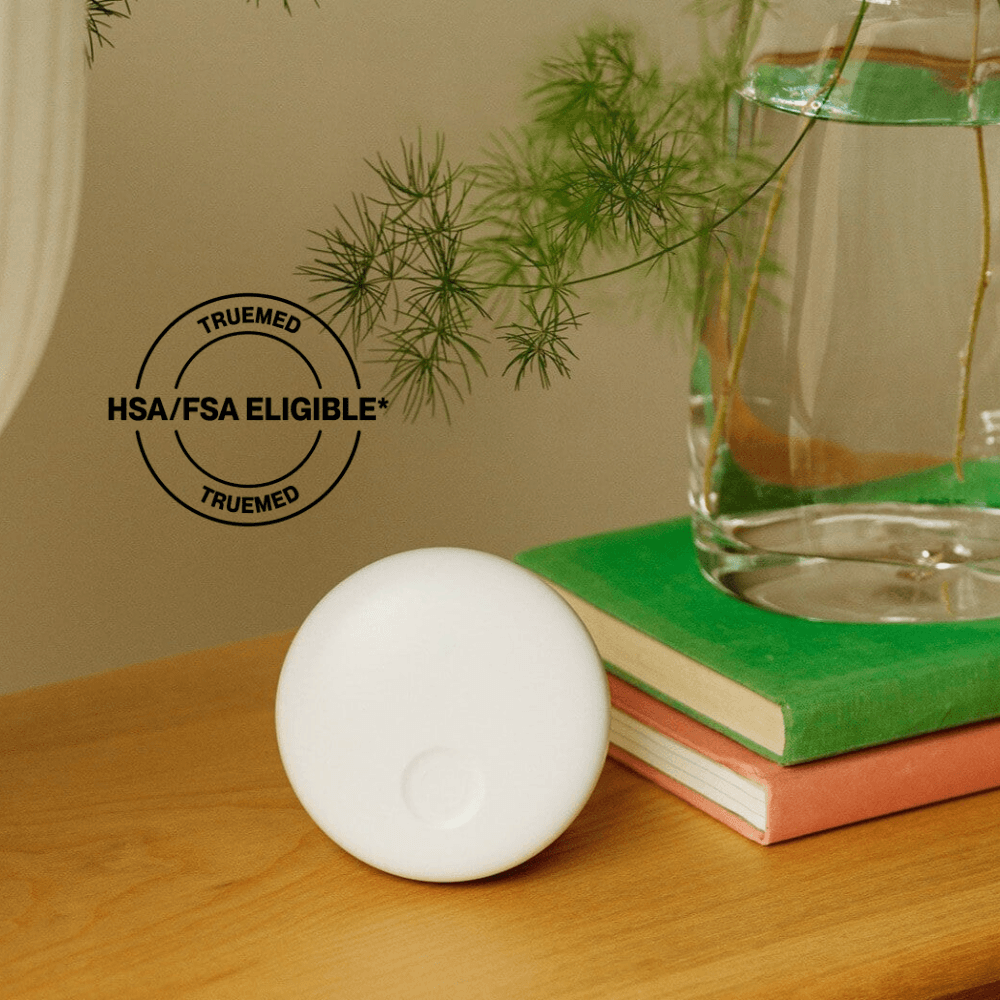
Wave Enhance
Compact smart monitor for bedrooms and home offices, measuring CO₂ and other factors that affect sleep and focus.
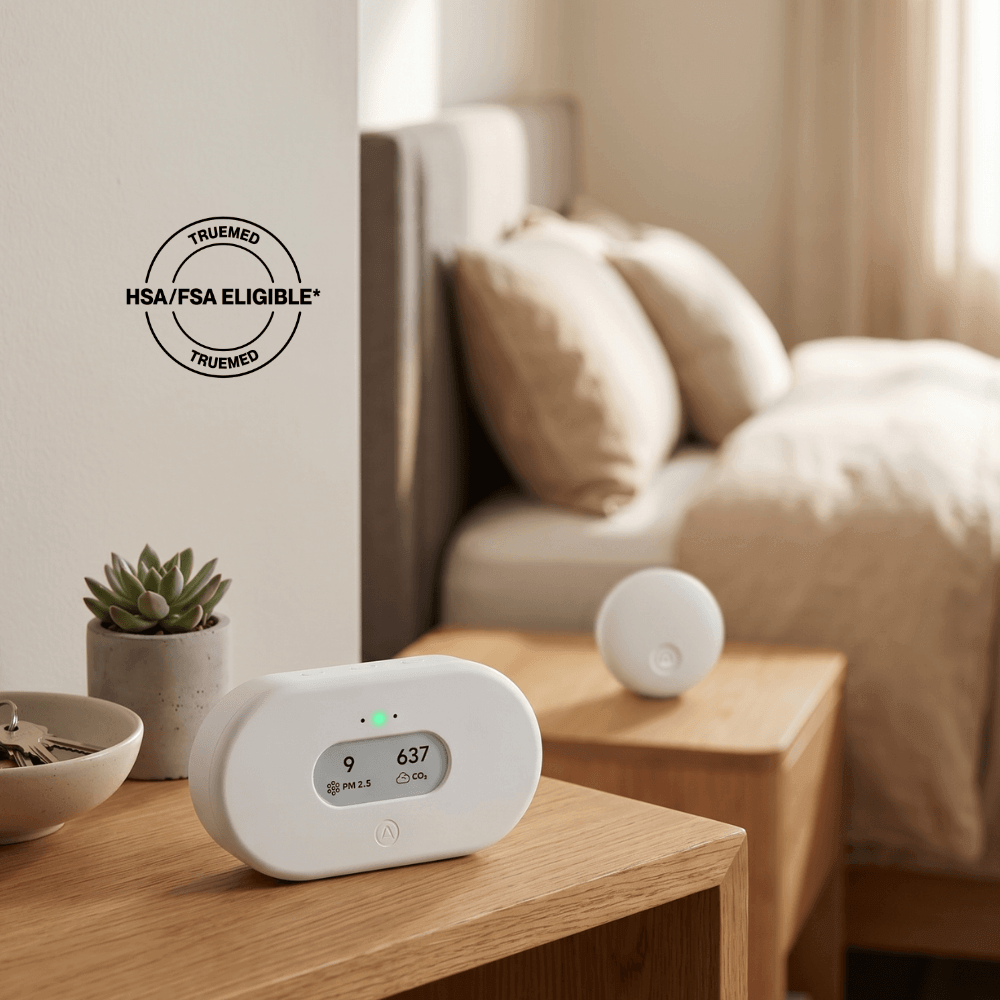
Living Room + Bedroom
View Plus for your main living space plus Wave Enhance for the bedroom: the two rooms where you spend the most time.
Step 2: Place your monitor in the correct location
Putting your air quality monitor in the right place is so important if you want accurate results. Set your monitor up in the rooms where you spend the most time, such as the master bedroom, the living room, or the home office. For radon measurements, select the lowest living space, such as the basement or ground floor living room.
- Keep it at “breathing height” (roughly 3 to 6 feet, or 1 to 1.8 m, off the ground).
- Do not place it directly next to an open window, an HVAC air vent, or in direct sunlight, as this will skew the temperature and particle readings.
- Avoid very damp or very dusty locations, as these can cause damage to the radon sensor.
Step 3: Give the sensors time to calibrate
Once you have set up your monitor, you need to give it time to adjust to your home’s unique environment.
While you will see PM2.5 and CO₂ readings almost immediately, complex sensors like VOCs and radon require a 7-day calibration period to establish a highly accurate baseline. Leave the device in one spot during this learning phase.
Step 4: Review your data and take action if needed
Once your baseline is established, check your Airthings app.
- If CO₂ or VOCs are high: Open a window, turn on an exhaust fan, or adjust your HVAC system to pull in fresh air. See if certain behaviors cause these levels to spike and try adjusting them. See how to reduce CO₂ in your home.
- If PM2.5 is high and there is an outdoor “event” such as a wildfire or you live close to a highway: Keep windows closed and run a True HEPA air purifier like the Airthings Renew. If your daily behaviors, such as cooking, ironing, or vacuuming, are causing PM levels to spike, try opening a window, running the kitchen ventilation hood, or combining these with an air purifier.
- If humidity is consistently above 60%: Ventilate and use a dehumidifier to reduce the risk of mold. See what your humidity level means.
- If your long-term radon average is at or above 4.0 pCi/L (150 Bq/m³): Contact a certified radon mitigation professional for advice. See the radon levels chart.
Short-term air quality testing vs. continuous monitoring
Historically, the only way to test indoor air was to rent a short-term air quality testing instrument or hire an expensive industrial hygienist. In the case of radon, short-term kits would test for radon, and then be mailed into a lab for further analysis with results taking a few weeks to come back in the mail. Learn how to properly test for radon with our guide, How to test for radon.
Today, smart technology has completely changed how we monitor our homes.
Are short-term, one-off tests effective at testing air quality?
Short-term tests (like the 48-hour radon kits or one-off mold swabs) only provide a one-off “snapshot” of your air quality at that exact moment. The problem? Indoor air quality fluctuates wildly. For example:
- Cooking dinner spikes your PM2.5
- Closing your bedroom door at night can double or triple your CO₂
- Winter heating systems drastically alter your home’s air pressure, pulling more radon up through the floorboards
A test taken on a warm, slightly breezy day in May will give a very different result from a test taken on an evening in January. Therefore, relying on a short-term snapshot can give you a false sense of security.
What is the best way to monitor indoor air quality?
The best way to make sure your home’s air is safe and healthy is to monitor continuously for potentially harmful pollutants, such as radon, VOCs, PM1 & PM2.5, and also keep track of CO₂ and humidity. Monitoring continuously gives you a better idea of whether certain behaviors might trigger elevated PM levels, if you have unsafe radon levels, or if factors like humidity are leading to ideal mold growth conditions.
Devices like the Airthings View Plus use advanced pre-calibrated, professionally tested sensors to sample your air continuously. With the example of radon, monitoring 24/7 over a period of at least 90 days (or longer) provides you with an accurate radon average. Understanding if your long-term radon average is “high”, for example either at or above 4 pCi/L, helps you decide whether action is needed to fix the issue. Once the fixes have been made, either via DIY or professional mitigation, you can then continue to monitor to make sure that radon levels remain low. This is definitely more convenient than mailing back a kit and waiting for this snapshot result to come back in the mail.
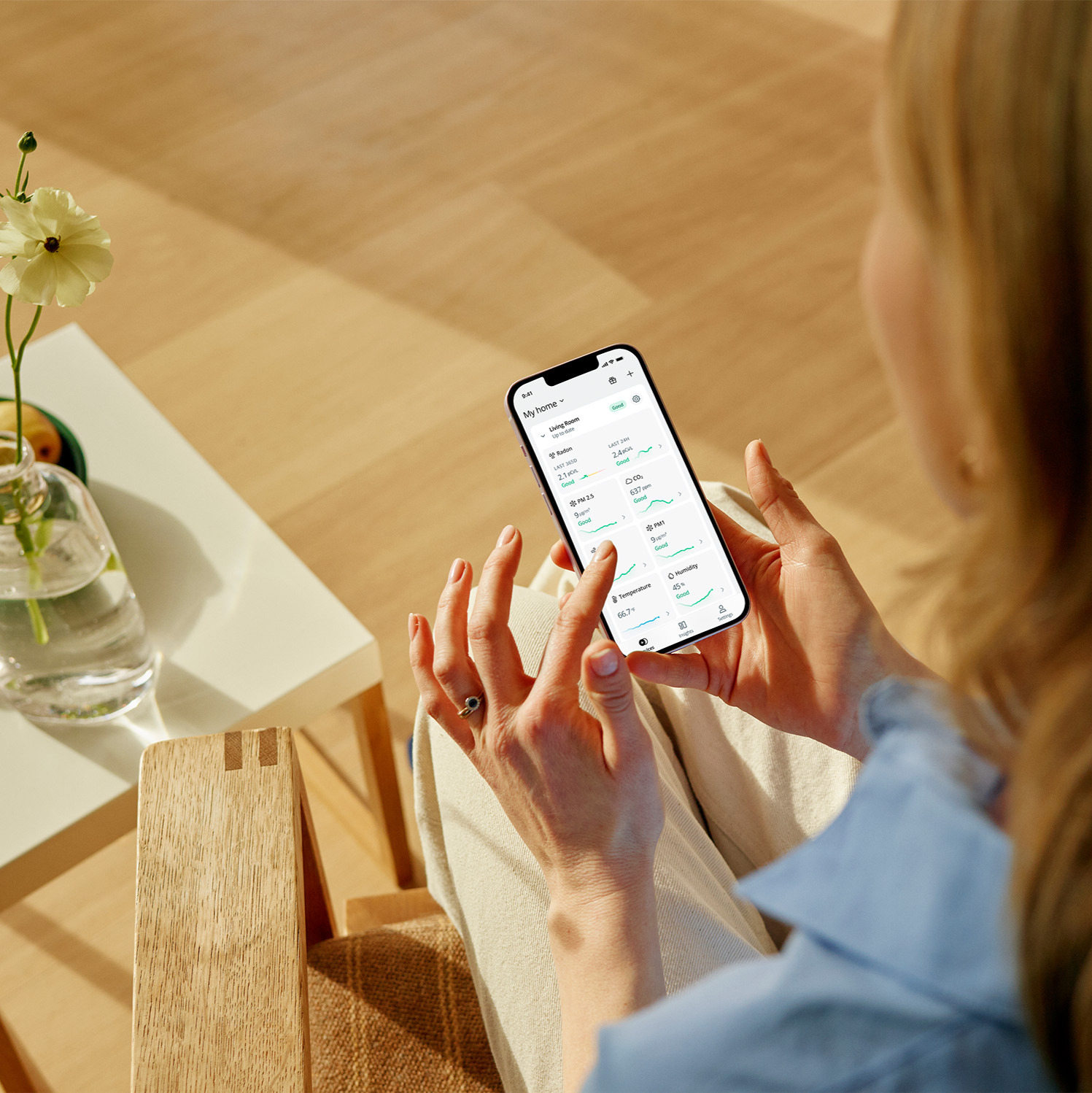
Monitors like the Airthings View Plus connect to an app, giving you a real-time dashboard on your smartphone that shows exactly how your air changes throughout the day. You can also review trends over time, which helps you take action quickly. The app can guide you through what to do about your radon levels, for example. You can also set thresholds, so that if your PM levels or VOCs exceed your limits, you’ll get an alert.
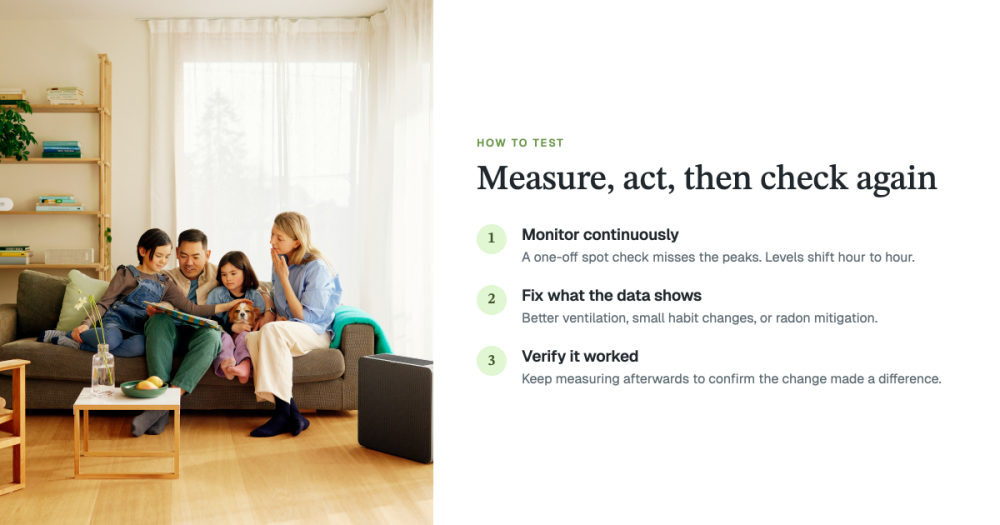
What does CO₂ look like in a family home?
We compared CO₂ levels in a family room over the course of two days. The conditions were the same, two adults and two children were in the main living space for most of the day, except that on the second day, two windows were opened. CO₂ levels from an Airthings View Plus show how much ppm can vary.
Do I need to test my air quality in a new-build home?
Yes, today’s homes are increasingly airtight to save energy. While this keeps rooms comfortable and cuts heating bills, it also means that without good ventilation, pollutants can build up, with CO₂, VOCs, and fine particles accumulating and affecting your focus, your mood, and your sleep.
A Harvard University study led by Dr. Joseph Allen demonstrated the connection. Researchers found that high levels of fine particles (PM2.5) and poor ventilation in an office space were linked to slower thinking and more mistakes on cognitive tasks. The takeaway: when your indoor air quality drops, so does your ability to think clearly.
How does ventilation impact health, well-being, and productivity?
Dr. Joseph Allen’s team at Harvard ran a double-blind study with workers over six days, none of whom knew which air conditions they were working in. When air quality improved, cognitive performance jumped by 61%. In the cleanest conditions, scores doubled.
A follow-up study of 109 workers in real buildings found that people in healthier, better-ventilated spaces performed 26.4% better on cognitive tests. They also slept better, had fewer headaches, and reported less mental fatigue.
If you work from home, have kids doing homework, or simply want to feel sharper during the day, your air quality may matter more than any productivity app or sleep hack you’ve tried.
Frequently Asked Questions (FAQ)
What is the best way to test indoor air quality?
The best way to test indoor air quality is with a dedicated IAQ monitor, like the Airthings View Plus, that continuously measures pollutants such as PM2.5, VOCs, carbon dioxide (CO₂), humidity, temperature, and radon. Continuous monitoring gives you a more accurate picture of your air over time than a single spot test.
How can I check the air quality in my home without a monitor?
You can look for warning signs: condensation on windows, musty smells, visible mold, excessive dust, a stuffy feeling, or symptoms like headaches and poor sleep that improve when you leave the house. But many of the most important pollutants, including radon, PM2.5, CO₂, and VOCs, are invisible and odorless, so these signs can’t tell you your actual levels. Only a monitor or test can measure them.
How do I test if my house is making me sick?
Start by monitoring the pollutants most linked to everyday symptoms: CO₂ (headaches, drowsiness, poor sleep), PM2.5 (coughing, asthma, allergies), VOCs (headaches, irritated eyes and throat), and humidity (mold and dust mites). Test for radon too, as it has no symptoms but is a serious long-term health risk. If symptoms line up with high readings, for example headaches when CO₂ climbs, you’ve found something you can fix. If you have ongoing health concerns, speak to your doctor.
How long should I monitor my indoor air quality?
Indoor air quality changes throughout the day depending on cooking, cleaning, ventilation, occupancy, and outdoor conditions. Monitoring continuously for at least several weeks, ideally year-round, provides the clearest understanding of patterns and potential problems.
Can plants improve air quality?
Indoor plants may have a small effect on air quality, but they are not a replacement for proper ventilation or filtration. While some plants can absorb trace amounts of VOCs in laboratory settings, they cannot effectively remove pollutants in a typical home environment. You’d need an entire jungle to have any effect, and even then, simply increasing ventilation will be more effective.
Can a carbon monoxide (CO) detector test for air quality?
No. Carbon monoxide detectors are emergency life-safety devices designed to sound an alarm only if a deadly gas leak occurs (usually from a faulty furnace). They do not test for everyday air quality issues like radon, VOCs, PM2.5, or CO₂. You need both a CO alarm and an IAQ monitor in your home to know that your air is truly safe and healthy.
How do I test my home for mold?
The most effective way to test for mold risk is to monitor your indoor humidity and airborne chemicals (VOCs). Mold cannot grow without moisture. If your Airthings monitor shows your relative humidity is consistently above 60%, you have a high risk of mold growth and need to use a dehumidifier or increase ventilation. For bathrooms, closets, and damp corners, Wave Mini tracks humidity and the risk of mold growth.
Can I use one air quality monitor for my whole house?
Air quality varies dramatically from room to room. Your basement might have high radon, your kitchen might have high PM2.5 from cooking, and your bedroom might have high CO₂. While one monitor (placed in your most-used room) is a great start, the most accurate way to test your home is to use a multi-room system with two or three monitors. The Airthings View Plus can act as a “hub” when connected to a power source with a USB-C cable and Wi-Fi. Other Airthings monitors, such as Corentium Home 2, Wave Enhance or Wave Plus can then connect to it, meaning you can access your air quality insights in the Airthings app from anywhere.
What are the signs of poor indoor air quality?
Common signs include headaches, fatigue, allergies, dry eyes, coughing, poor sleep, lingering odors, excessive dust, condensation on windows, or feeling stuffy indoors. However, many pollutants, like radon, PM2.5, CO₂, or VOCs are invisible and odorless, which is why monitoring is important.
Should I test the air quality in a new home?
Yes. New homes can contain elevated levels of VOCs from fresh paint, flooring, furniture, insulation, and building materials. Energy-efficient homes are also often more airtight, which can trap pollutants indoors if ventilation is insufficient.
Can outdoor air affect indoor air quality?
Absolutely. Wildfire smoke, pollen, traffic pollution, humidity, and outdoor allergens can all enter your home through doors, windows, and ventilation systems. Monitoring indoor air quality helps you understand how outdoor conditions impact your living environment.
Sources
- US EPA (Indoor air quality in Report on the Environment / 2–5x)
- US EPA (Find a radon test kit or measurement and mitigation professional)
- US EPA (Care for your air: a guide to indoor air quality)
- American Lung Association (State of the Air)
- Harvard University (Office air quality may affect employees’ cognition, productivity)
- Science (Cleaning indoor air could make us healthier and smarter)